
For Families
When the phones go quiet, you still need to reach your people.
That's why we exist.
Communities across the Susquehanna Valley know what real disruption looks like — flooding that cuts roads, ice storms that kill power and cell service for days, bridges closed, neighborhoods isolated. When that happens, normal phones and internet often fail first. GMRS gives regular families a simple, independent backup.
Why This Matters for Families Here
- A parent is at work or across the river when a flood warning hits and can’t check on kids at home or school.
- Power is out overnight. Phones are dead. Grandparents are watching the kids and you have no way to confirm they’re okay.
- Cell networks get congested or go down completely during a major storm (this has happened repeatedly across the Valley).
- You need to coordinate pickup, evacuation, or simple welfare checks without relying on outside systems.
This is not doomsday planning. It’s practical communication for the kinds of events our valley has seen in 1936, 1972, 1996, and 2011.
You Don’t Need to Be a Radio Person
You do not need to become a hobbyist.
You do not need technical experience.
You do not need to spend a fortune.
If you can use a basic walkie-talkie, you can handle this. GMRS was designed for everyday people — one license covers your whole immediate family, no test required.
Simple Starter Path (4 Steps)
1. Get a GMRS License
$35, covers the whole family, takes 10-15 minutes.
2. Buy 2–3 basic handheld radios
Start cheap and reliable.
3. Learn the Basics
Turn it on, talk clearly, follow simple etiquette.
4. Practice
Make it normal before you actually need it.
Most families are ready within a weekend.
Family Licensing Made Easy
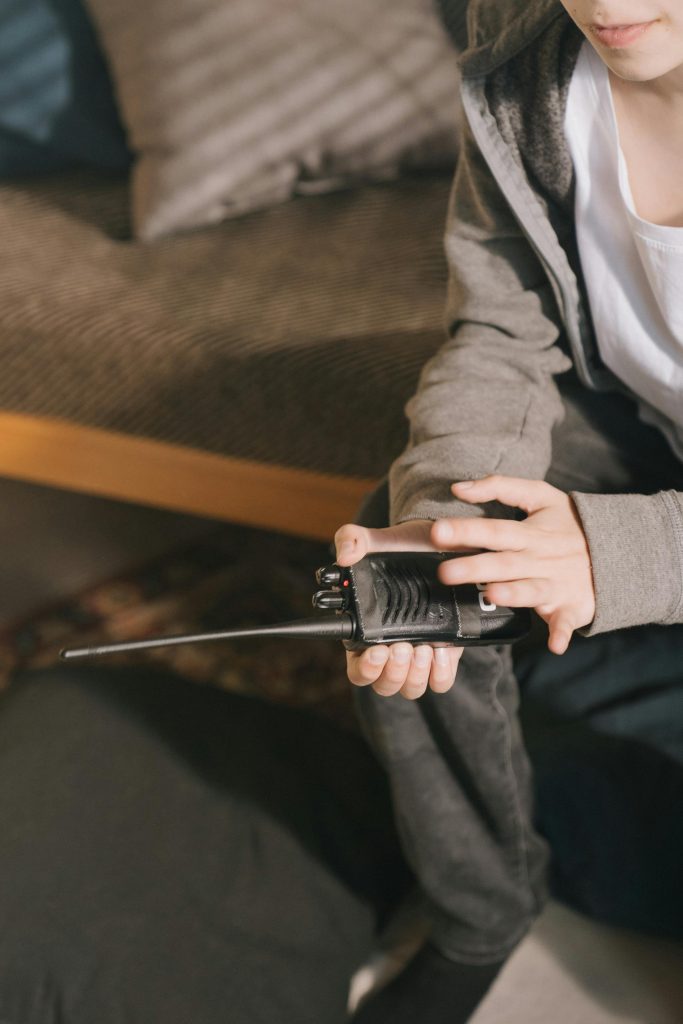
One $35 FCC license covers you + your entire immediate family as defined by the FCC.
This includes: your spouse, children, grandchildren, stepchildren, parents, grandparents, stepparents, brothers, sisters, aunts, uncles, nieces, nephews, and in-laws — regardless of age or where they live.
No exam required.
Valid for 10 years
Apply online at the FCC website
We have step-by-step instructions with screenshots on the GMRS Licensing page.
Local volunteers across the Valley will help you if you get stuck.
IMPORTANT: Only people on this list can legally transmit under your callsign. Friends and extended family need their own license.
First Radio Recommendations
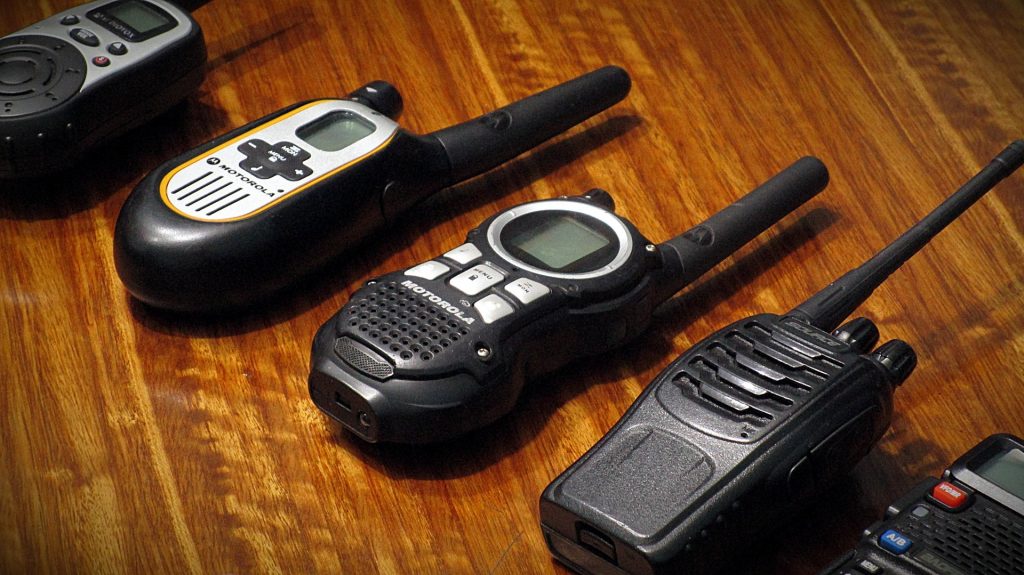
Start simple. Do not overbuy.
Learn what radios you should get.
Go to Choosing Your First Equipment for current, no-nonsense recommendations:
- What most families should buy first
- Budget options that actually work in Valley terrain
- What to avoid (junk that fails when you need it)
- When (and if) to add a base station or vehicle radio
Hardware follows function. Buy what you need for local check-ins. Upgrade later only if it makes sense.
Common Questions from Real Families
“Will I sound dumb on the radio?”
Everyone does at first. Short, clear talk is all that matters. We keep etiquette simple. With just a little practice, you'll be fine.
“How far does it actually reach around here?”
Handheld to handheld: realistically, .75–3 miles depending on terrain and conditions, especially if in town and surrounded by buildings. You can gain distance by increasing your elevation, in which case you could realistically expect 1-5 miles. This distance can be much farther if using a local repeater. We try to be realistic about the limits in our valley.
“Is this only for serious preppers?”
No. This is for normal families who want one reliable tool when normal systems fail.
“What if the kids mess with it?”
Channels are public and shared, and your license cover them as well. Teach basic rules and keep it in the kitchen drawer or go-bag.
“Do I need a big antenna on the roof right away?”
No. Most families start with just handhelds and do fine for neighborhood and across-river checks.
Next Steps
Read "GMRS Basics for Beginners"
Get licensed
Pick your first radios
Run a simple family check-in drill on a scheduled night
Keep the radios charged, with a printed channel sheet. The more ordinary they feel in daily life, the more useful they’ll be when it actually matters.